




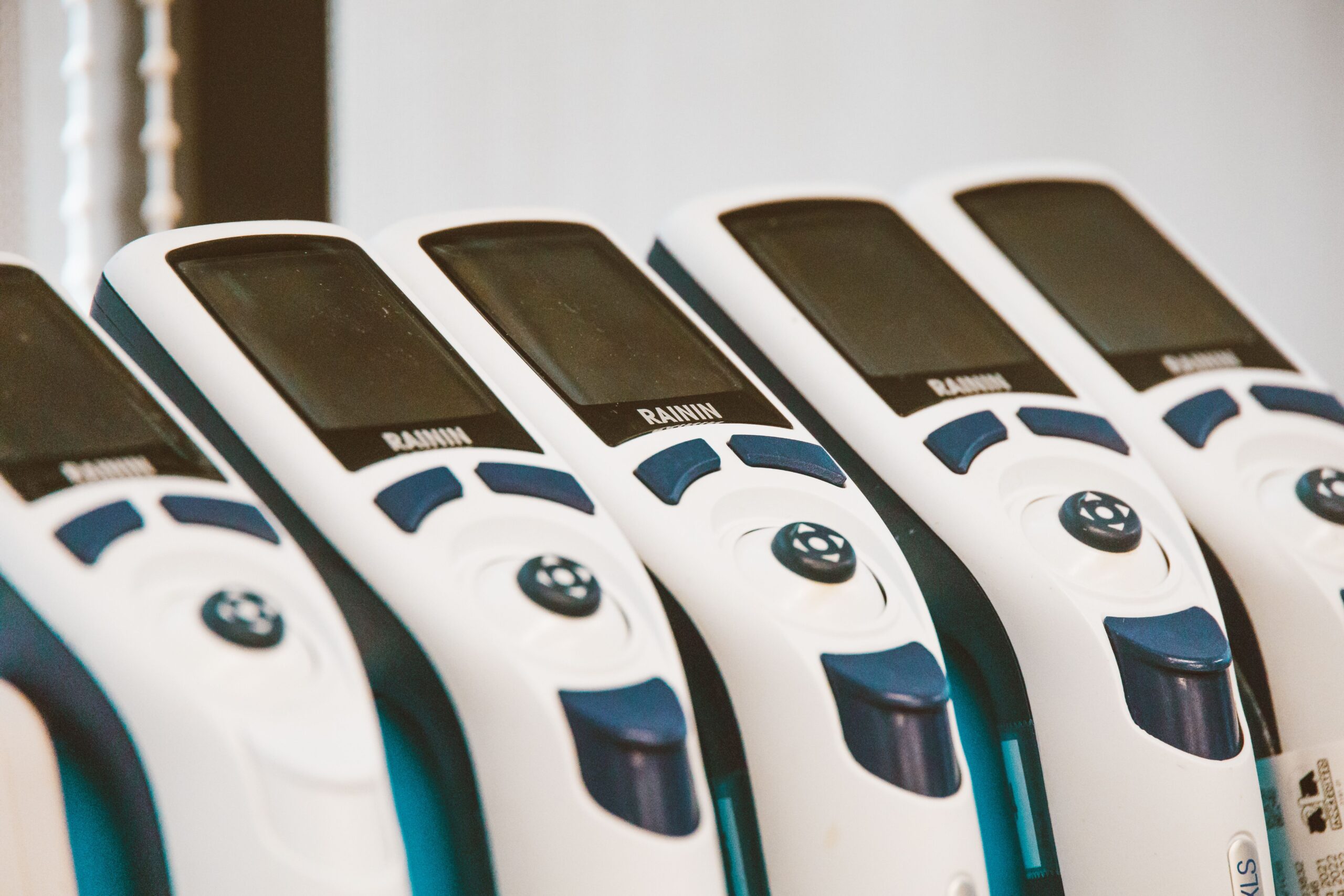
Minnesota’s concentration of medical technology firms creates a halo effect that reaches inventors who never touch the medical field. The precision suppliers, seasoned engineers, and quality standards built for devices spill over into the wider product economy, raising the level of design and manufacturing help available to anyone working on a new product in the state. That spillover, not any single company, is the real benefit for independent inventors.
What a halo effect is
A halo effect happens when a strong industry lifts the businesses around it. The medical device sector needs tight-tolerance molders, precision machinists, and engineers fluent in documentation and testing. Once those suppliers exist, they do not serve only device companies. They take on other work: consumer goods, industrial parts, and the occasional first-time inventor’s project. The capability was paid for by the device industry, but it becomes available to the whole region.
Minnesota has one of the country’s larger medical technology concentrations, often described under the Medical Alley name, with Medtronic’s operational base in Fridley among the anchors. The Medical Alley Association represents that community and points to a dense network of device firms, suppliers, and research institutions across the metro. For inventors, the useful part is what that network leaves behind for everyone else to use.
How the spillover reaches ordinary inventors
The spillover shows up in three concrete ways. First, supplier quality. A molder that meets medical standards will hold those habits on a consumer job, which means cleaner parts and fewer defects. Second, engineering talent. Engineers trained on devices understand design for manufacturability at a level many consumer-focused designers do not, and that knowledge transfers to any product. Third, a culture of documentation. Device work teaches people to record decisions and test claims, a discipline that protects an inventor later when a manufacturer or licensee asks hard questions.
The University of Minnesota reinforces all three. Its engineering school feeds the device sector and the broader economy alike, and its Office for Technology Commercialization licenses inventions across fields, giving the region a working template for turning research into products.
The data behind the halo
The invention output is measurable. Minnesota ranks among the top states for utility patents granted per capita, according to the US Patent and Trademark Office’s Patenting by Geographic Region report, and the USPTO grants more than 300,000 utility patents in a typical year. A state that patents at that rate, driven partly by its device industry, builds an inventing culture that independent creators can join.
The USPTO data also shows how broad the activity is. Heavy patenting in medical technology sits alongside strong numbers in materials, mechanical products, and consumer goods, because the skills and suppliers overlap. The halo is visible in the record, not just in reputation.
Design help in a med-tech shadow
For an independent inventor, the practical question is where to get design and engineering help that carries this quality. The region’s product development firms grew up in the med-tech shadow and absorbed its standards. Enhance Innovations, founded in 2010 and based in Champlin, Minnesota, offers integrated product development across technical and consumer projects: industrial design, CAD and engineering, photorealistic renderings, marketing materials, and licensing representation handled by one team. Its deliverable is virtual-first, meaning renderings and a CAD model produced digitally, with physical prototypes scoped only when a project needs one.
That structure matters because the halo effect is only useful if an inventor can reach it. A firm that already works to high standards, in a region full of capable suppliers, gives a first-time inventor access to a level of quality that would be hard to assemble from scratch.
The honest limits
A halo effect improves the tools, not the odds of any single idea. Most inventions never reach the market, and a strong regional ecosystem cannot change the fundamentals of a weak product or a crowded category. What it does is make sure that when an idea is worth developing, the design is sharper, the parts are cleaner, and the engineering advice is honest about what can be built. Minnesota inventors work under that halo whether or not they ever design a medical device, and for many of them, the borrowed standards are the quiet reason their products come out better.
