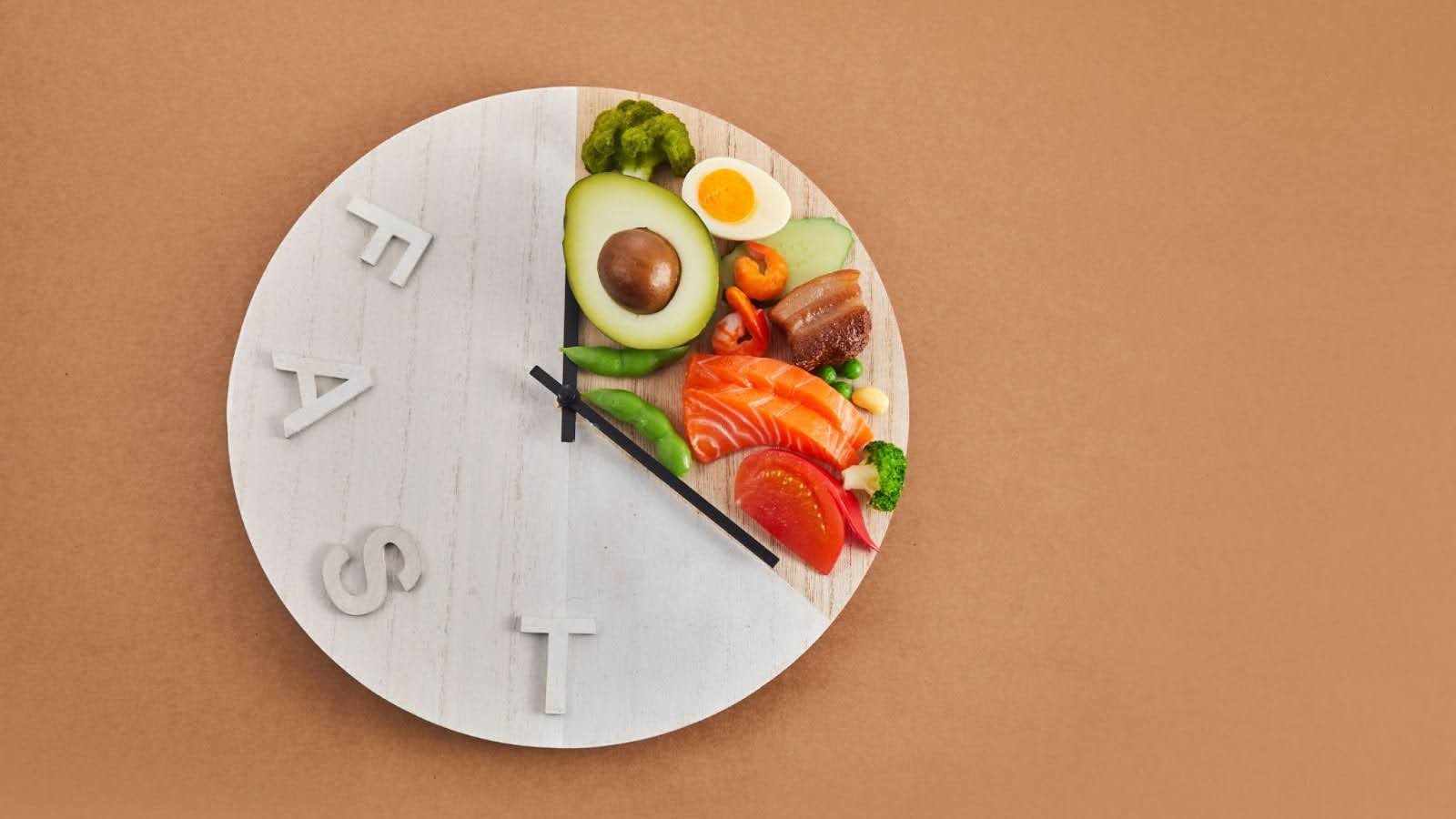






Intermittent fasting has become one of the most talked-about wellness trends of the past decade, but its newest and fastest-growing audience may come as a surprise. Increasingly, members of Gen Z are engaging with fasting-related content, sharing experiences online, and incorporating the idea into broader lifestyle conversations.
Unlike previous generations, however, Gen Z’s relationship with intermittent fasting is shaped less by traditional health authorities and more by digital culture, social media, and algorithm-driven discovery.
This shift matters not because of the practice itself, but because of what it reveals about how Gen Z approaches wellness, information, and identity. Intermittent fasting, in this context, functions less as a dietary framework and more as a cultural symbol—one that reflects broader changes in how trends are adopted, interpreted, and discussed online.
A New Generation, A Familiar Trend
Intermittent fasting is not new. Variations of time-restricted eating have circulated in wellness circles for years, often framed through books, long-form articles, or expert-led discussions. What is new is how rapidly the concept has been absorbed into Gen Z’s digital ecosystem.
For Gen Z, wellness trends rarely arrive through formal channels. Instead, they surface through short-form videos, influencer commentary, podcasts, and peer-to-peer sharing. Intermittent fasting appears alongside productivity hacks, minimalist lifestyles, and self-optimization narratives—often presented as one of many interchangeable tools for “getting life on track.”
This generational adoption reflects a broader pattern. Gen Z tends to favor ideas that feel flexible, customizable, and identity-adjacent. Intermittent fasting, as a concept, fits neatly into this framework. It is easy to summarize, visually explain, and adapt into content-friendly formats. That simplicity makes it highly shareable, even when the underlying topic is complex.
The Social Media Effect on Wellness Understanding
Social media platforms play a central role in shaping how intermittent fasting is discussed among younger audiences. Short videos, trending audio, and creator commentary often condense nuanced subjects into easily digestible narratives. In doing so, they prioritize engagement over depth.
This doesn’t mean Gen Z is uninterested in learning. On the contrary, many young people actively seek information and value self-education. The challenge lies in the format. When complex lifestyle concepts are introduced through fragmented content, context is often stripped away. What remains is a simplified version of the idea—one that travels faster, but carries less meaning.
As a result, intermittent fasting becomes part of a broader aesthetic of discipline and self-control rather than a topic grounded in careful discussion. The conversation shifts from “What is this?” to “What does this say about me?” That shift changes how trends are understood and how they function socially.
Where the Conversation Often Misses the Mark
The most common issue in Gen Z’s intermittent fasting discourse is not enthusiasm, but oversimplification. Online conversations frequently frame the trend in binary terms: effective or ineffective, disciplined or undisciplined, successful or unsuccessful. These framings mirror how social platforms reward certainty and confidence over nuance.
In this environment, intermittent fasting is often discussed without sufficient context. Influencers may speak from personal experience, audiences may generalize those experiences, and commentary can quickly drift into absolutism. What gets lost is the understanding that lifestyle trends are rarely universal and are shaped by individual circumstances, values, and goals.
This pattern is not unique to intermittent fasting. It appears across wellness topics, productivity movements, and even financial advice trends. The underlying issue is media literacy, not intention. Gen Z is navigating an unprecedented volume of information, often without clear signals distinguishing personal narratives from broader insights.

Wellness as Identity and Performance
One reason intermittent fasting resonates with Gen Z is its symbolic value. Wellness trends today are not just about habits; they are about identity. How someone eats, works, rests, or structures their day can become part of how they present themselves online.
In this sense, intermittent fasting functions as a shorthand. It signals self-awareness, intentionality, and participation in contemporary wellness culture. The act of discussing it—rather than practicing it privately—becomes a form of social engagement.
This dynamic reflects a broader transformation in wellness culture. What was once personal has become performative. Platforms encourage sharing progress, routines, and reflections, turning lifestyle choices into content. For Gen Z, who grew up in this environment, the line between experience and expression is increasingly blurred.
Generational Differences in Trust and Authority
Another key factor shaping the conversation is Gen Z’s relationship with authority. Younger audiences tend to be skeptical of traditional gatekeepers and more comfortable assembling knowledge from multiple sources. This approach can be empowering, but it also increases the risk of fragmented understanding.
Rather than relying on a single expert voice, Gen Z often crowdsources insight from creators, peers, and online communities. Intermittent fasting content is evaluated not by credentials, but by relatability and resonance. Stories that feel authentic carry more weight than formal explanations.
This shift doesn’t indicate a rejection of expertise, but a redefinition of it. Credibility is increasingly tied to transparency and lived experience. The challenge arises when personal narratives are interpreted as broadly applicable truths, especially when algorithms amplify the most engaging voices.
What This Trend Reveals About Modern Wellness Culture
The rise of intermittent fasting among Gen Z is best understood as a reflection of modern wellness culture rather than a standalone phenomenon. It highlights how trends are shaped by technology, social dynamics, and generational values.
At its core, this moment underscores the tension between simplicity and complexity. Gen Z gravitates toward ideas that feel manageable in an overwhelming world. Yet the platforms delivering those ideas often flatten them, removing the nuance needed for thoughtful understanding.
This creates a cycle where trends gain popularity quickly, evolve rapidly, and are debated intensely—sometimes without the depth such discussions deserve. Intermittent fasting, in this context, is less about the practice and more about how wellness narratives travel.
A Conversation Worth Slowing Down
As Gen Z continues to shape the future of wellness discourse, the opportunity lies in slowing the conversation rather than amplifying it. Thoughtful engagement, contextual awareness, and critical consumption of information can help transform trends from viral moments into meaningful discussions.
Intermittent fasting’s popularity among younger audiences is not inherently problematic. What matters is how the topic is framed, shared, and understood. When conversations move beyond rigid interpretations and toward reflection, they become more informative and less divisive.
Ultimately, this trend serves as a case study in how digital-native generations interact with complex ideas. It reminds us that the way information is delivered often matters as much as the information itself.