




There is a quiet assumption in early stage drug development that if you build a perfect protocol on paper, the execution in the clinic will naturally follow. We design incredible molecular therapies, target precise biological pathways, and outline exact operational schedules down to the minute. The industry tends to view a clinical facility as a purely mechanical engine designed to process inputs and spit out clean data.
When you spend enough time looking at how trials actually run on the ground, you realize that this mechanical view is a total illusion.
A trial is not a series of isolated chemical reactions happening in a vacuum. It is a live, unpredictable human ecosystem. The moment a complex protocol meets real human beings, whether they are the volunteers in the beds or the nurses handling the draws, the neat assumptions of a spreadsheet start to fray.
The Illusion of Control in a Complex World
This reality becomes even more obvious when you look at recent conversations around trial design. Lately, there has been a massive push toward decentralization and hyper-fractionated workflows. The promise is enticing. Split up the responsibilities, use remote vendors for every tiny specialized task, and let technology bridge the physical gap.
While technology is an amazing partner, relying on fragmented systems introduces a fundamental flaw. It forgets that human focus and operational clarity do not scale when you break them into tiny, distant pieces.
When a trial is scattered across four different vendors, the clinicians at the bedside spend half their day managing logistical friction instead of focusing on human observation. They are logging into separate portals, chasing couriers, and worrying about whether an external lab will process a sample before it degrades.
When you divide human attention across disconnected operational islands, subtle details get missed. It is not that people are not trying. It is simply that the human brain can only handle so much cognitive noise before accuracy begins to suffer.
Why Proximity Is a Human Solution
The best way to protect data quality is not to add more software layers or external handoffs. It is to make the environment as simple, focused, and intuitive as possible for the people doing the work.
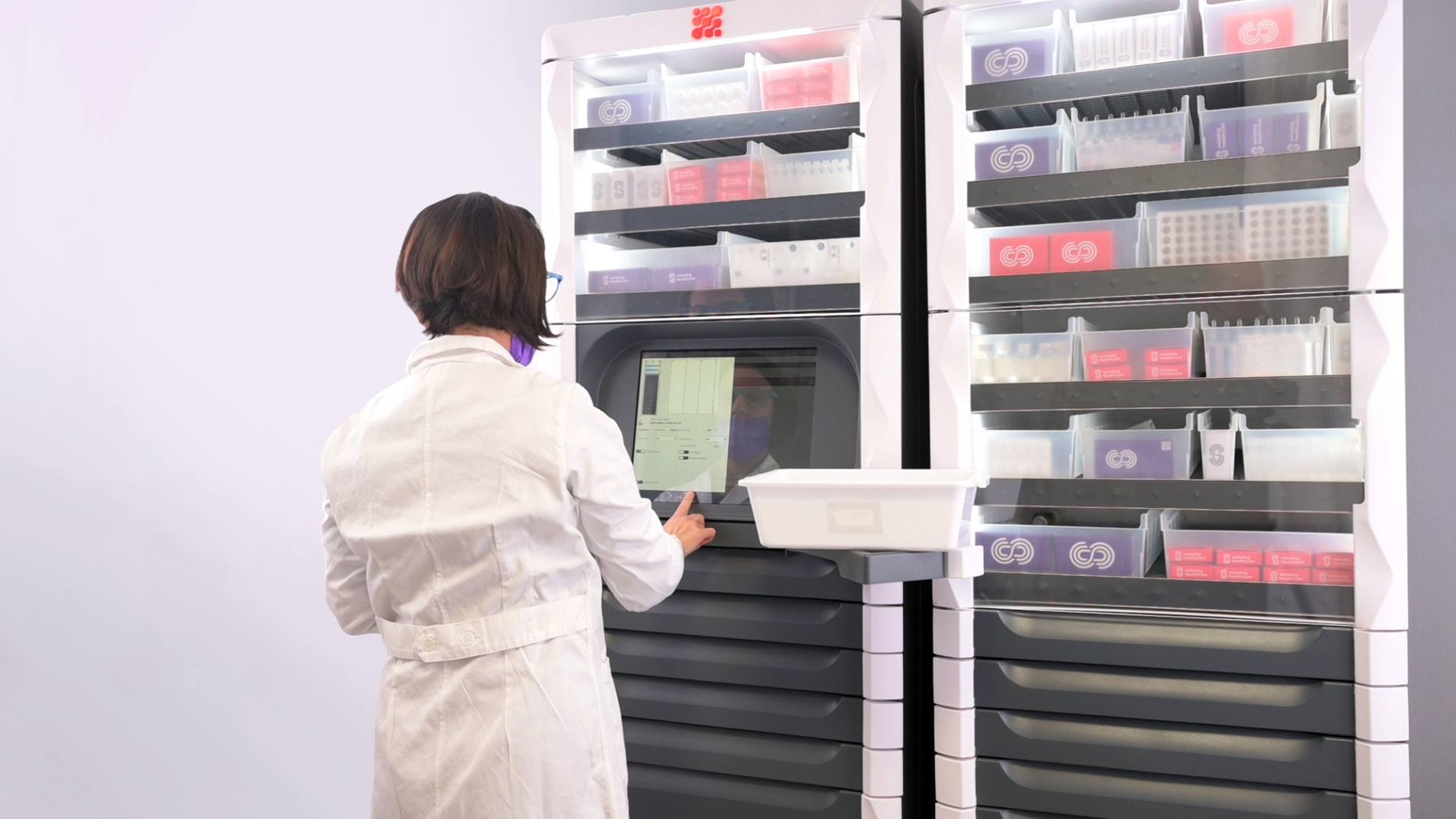
This is where physical integration changes everything. When a large clinical unit operates alongside an in house bioanalytical lab, you remove the physical and mental distance that causes friction. The phlebotomist draws a sample, walks it down the hall, and hands it directly to the analyst.
Leaders who understand operational flow, for example at AXIS Clinicals, have focused on this exact idea. By bringing a massive footprint and full analytical capabilities under one roof, the goal is not just logistical speed. The real value is creating a quiet, zero friction environment where the clinical team can devote one hundred percent of their energy to execution and volunteer care.
When the scientist and the clinician sit in the same building, communication becomes effortless. If something looks slightly off in a sample or a vital sign, they do not launch a days long email chain across time zones. They walk across the hall, talk to each other, and resolve the issue in real time.
That kind of human alignment cannot be coded into a decentralized platform. It only happens when people share the same space and the same operational vision.
Protecting Focus at the Bedside
Simplicity must also extend into how we capture data at the bedside. For years, clinical teams have been trapped between two bad options. They either wrote notes on paper to manually retype later, or they navigated clunky software interfaces that required endless clicking and scrolling.
Modern point of care digital tools are finally changing that dynamic. When a nurse can capture a timestamp or a vital sign with a single touch right at the bedside, the technology gets out of the way. It allows the clinician to keep their eye on the participant rather than a screen.
This is the key to running high precision early phase studies. You do not get pristine pharmacokinetic curves by forcing staff through administrative hurdles. You get pristine data by removing every unnecessary distraction so the human team can operate with absolute focus.
Moving Beyond the Spreadsheet
The clinical research industry will always be driven by cutting edge science and brilliant chemistry. But as protocols become more complex, our operational philosophy needs to evolve as well.
We need to stop viewing clinical execution as a simple logistical checklist and start treating it as an environment designed to protect human focus. By bringing clinical facilities, analytical labs, and bedside technology into a unified physical footprint, we build an infrastructure that respects the reality of human work.
When you remove the distance, erase the friction, and simplify the daily routine, you give your team the space to do extraordinary work. And in an industry where every second and every data point matters, that human clarity is the ultimate competitive advantage.