



In recent years, alternative therapies and plant medicines have moved from the fringes of holistic health into the spotlight of modern recovery conversations. Among these, ibogaine has gained significant attention for its profound ability to help individuals overcome deep-seated trauma and severe substance dependencies. However, while the medicine itself is a powerful catalyst for change, the unsung heroes of this process are the medical professionals who guide patients through the storm.
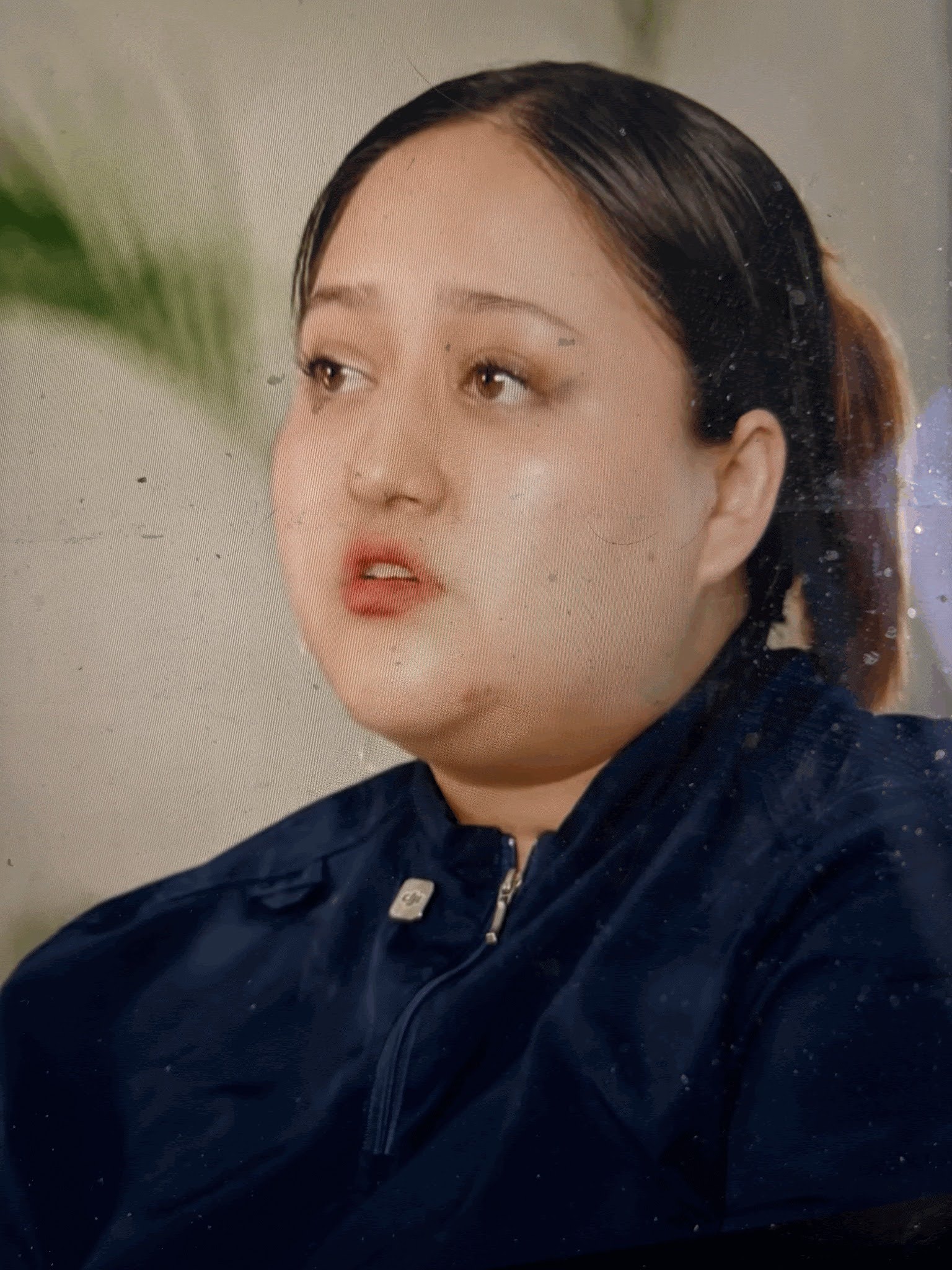
To truly understand what this intense process entails, we spoke with a 25-year-old general nurse who works on the front lines of an ibogaine clinic. Her daily experiences offer a raw, honest, and deeply compassionate look at the critical role nursing staff plays in supporting patients through one of the most challenging—and rewarding—experiences of their lives.
The Foundation of Healing: Pre-Treatment Support
The journey does not begin when the medicine is administered; it begins the moment a patient walks through the clinic doors. For the nursing staff, the morning of the procedure is entirely dedicated to establishing a strong foundation of trust.
Many patients arrive carrying years of emotional baggage, trauma, and, understandably, intense fear. Because ibogaine treatment is a deeply unfamiliar and intense experience, feeling anxious up until the very start of the session is not just common—it is expected.
“The most important thing we do in those early hours is simply be present,” the nurse explains. “We answer every single question, no matter how small, to help demystify the procedure and ensure the patient knows exactly what to expect.”
While the emotional support is paramount, the clinical protocols are rigorous. The nursing staff continuously monitors vital signs, paying close attention to:
- Heart rate
- Respiratory rate (breathing)
- Oxygen saturation levels
These metrics are essential for ensuring the patient’s physical safety and keeping their vitals within normal, healthy ranges. Interestingly, these medical monitors also serve as a window into the patient’s emotional state, often reflecting spikes in anxiety that cue the nurses to step in with calming, grounding reassurance before the treatment officially begins.
Navigating the Hardest Hours: Post-Treatment Care
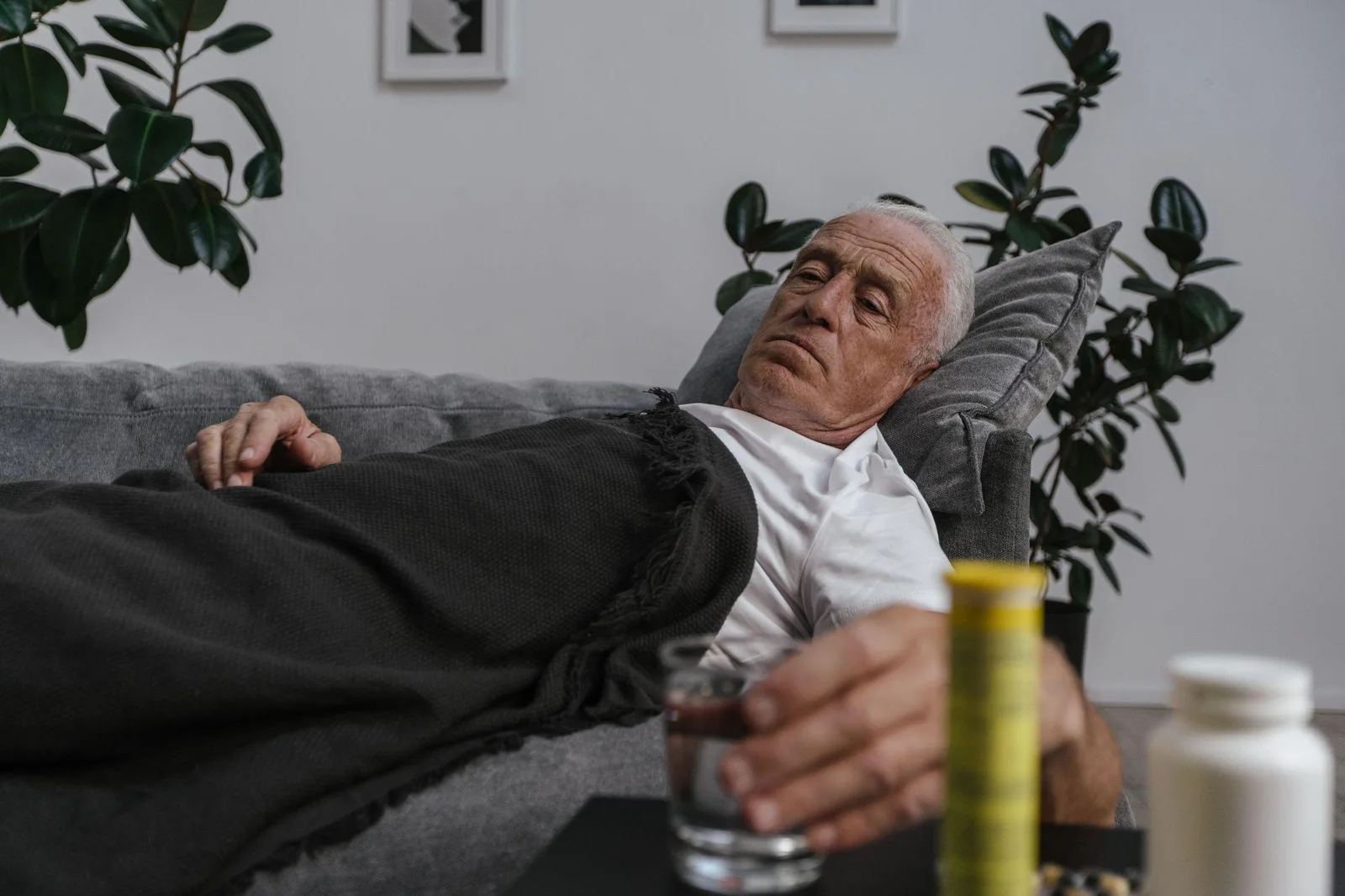
While the treatment itself is a profound internal journey, the physical reality of the aftermath is demanding. According to our nurse, the day following the procedure is almost universally described as the most difficult part of the entire process.
As the medicine leaves the body and the patient’s brain chemistry begins to reset, they frequently experience a wave of unpleasant and exhausting physical symptoms. It is during this vulnerable window that the nursing staff’s dedication is truly put to the test. Patients commonly face a combination of the following side effects:
- Severe nausea and vomiting
- Physical tremors and muscle fatigue
- Intense headaches
- Dehydration
- A complete loss of appetite
However, these physical symptoms are intertwined with a deep psychological shift. This grueling phase is often described as the period where patients are “reconnecting with their true selves.” It is a raw, unguarded state of being.
To safely navigate this delicate post-treatment window, the nursing staff provides round-the-clock monitoring and constant, open communication. Whether it means administering IV fluids for dehydration, offering a quiet word of encouragement, or simply holding a patient’s hand through the tremors, the nurses are an unwavering anchor in the turbulent waters of early recovery.
A Space to Heal: The Environment Matters
One of the most striking elements of this specific clinic’s approach is its physical and emotional environment. Treating severe addiction and trauma often evokes images of sterile, cold, and highly clinical hospital wards. This facility takes the exact opposite approach.
The goal is to cultivate an atmosphere that feels like a true home rather than a hospital. The staff operates under a core philosophy: treat every single patient as if they were a member of your own family.
By removing the sterile, institutional feel of traditional medical care, the facility allows patients to let their guard down. Giving patients this warm, supportive, and non-judgmental space is vital. It affords them the quiet dignity and safety required to look inward, process their experiences, and truly get to know themselves again without the harsh lights and rigid schedules of a standard medical ward.
The Ultimate Reward: Witnessing the Transformation
The work of a general nurse in an ibogaine clinic is emotionally taxing and physically demanding. Yet, when asked about the toll the job takes, the 25-year-old nurse focuses entirely on the profound rewards.
The payoff for the difficult days and long nights comes at the end of the patient’s stay. Witnessing the physical, emotional, and mental transformation that occurs over just a few days is described as nothing short of miraculous. The heavy, burdened individuals who walked in on day one are often completely unrecognizable by the time they are discharged.
Staff members frequently observe that patients appear to be entirely “new” or “different” people when they leave. The light returns to their eyes, their posture shifts, and the heavy fog of trauma and dependency seems to have lifted.
In the end, ibogaine may be the catalyst that opens the door to a new life, but it is the compassionate, vigilant, and loving care of the medical staff that guides the patient safely across the threshold. For this young nurse, there is no greater privilege than walking alongside them on that journey home.