


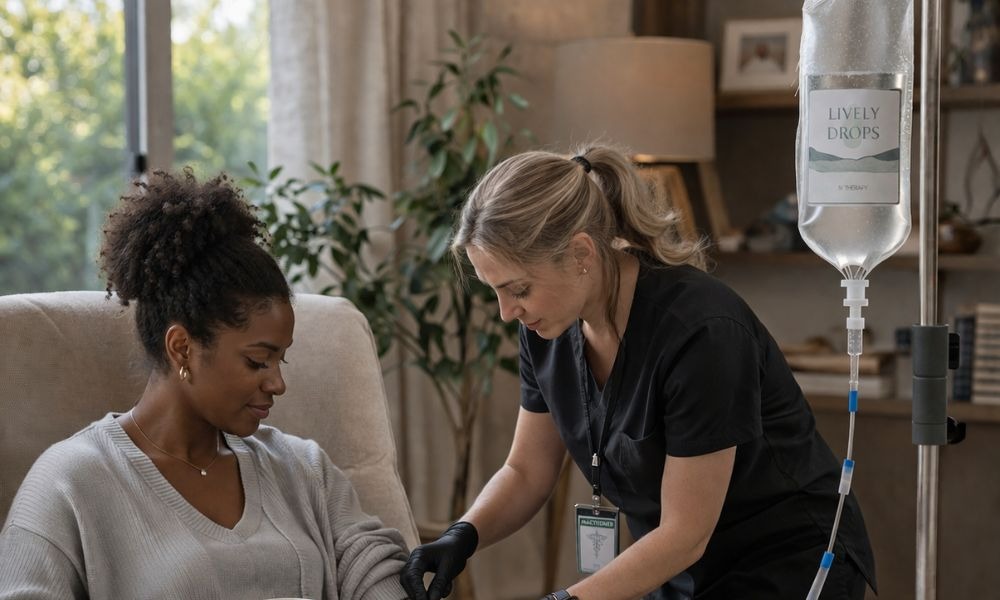
Hollywood Hills is a residential neighborhood in the Santa Monica Mountains, characterized by winding canyon roads, private hilltop estates, and limited walkable access to medical facilities. For residents of Beachwood Canyon, Laurel Canyon, Outpost Estates, or Nichols Canyon, reaching a clinic often means navigating steep, narrow roads before even hitting Sunset Boulevard. Mobile IV therapy in Hollywood Hills, CA addresses this access gap directly, bringing a licensed registered nurse to your home with all supplies needed for a full infusion session.
The question most first-time clients ask is not whether it works, but whether it is safe to receive IV treatment outside a clinical setting. The answer depends on specific, verifiable factors covered in this article. Lively Drops provides fully licensed mobile IV therapy throughout Hollywood Hills and greater Los Angeles.
What Clinical Safety Actually Requires for IV Therapy
Safety in IV therapy is not determined by location. It is determined by the qualifications of the person administering it, the sterility of the equipment used, and the quality of the pre-treatment screening process. A 2010 paper by R. Higginson published in the British Journal of Community Nursing specifically addressed infection control for IV therapy administered in home and community settings, noting that universal precautions and aseptic technique remain effective regardless of whether the setting is a hospital or a private residence.
The core safety requirements are the same in any setting:
- Single-use, sterile IV catheters opened directly before insertion
- Alcohol-based skin preparation at the insertion site prior to needle placement
- Sterile IV tubing and bags, not reused between patients
- Thorough hand hygiene by the nurse before any contact with IV equipment
- Active monitoring of the patient throughout the infusion
- Emergency supplies on hand, including medication for adverse reactions
Lively Drops nurses are licensed registered nurses who follow these protocols on every visit.
The CDC Framework That Governs IV Catheter Safety
The Centers for Disease Control and Prevention published updated Guidelines for the Prevention of Intravascular Catheter-Related Infections establishing the evidence-based standard for safe IV catheter use across all settings. These guidelines cover hand hygiene, aseptic technique, skin antisepsis with chlorhexidine-based solutions, proper catheter selection, and monitoring protocols for peripheral venous access.
Mobile IV providers that follow CDC catheter guidelines are operating at the same infection-prevention standard as outpatient infusion centers. The key variable is not whether the setting is a clinic or a home; it is whether the nurse follows the protocol. Peripheral IV catheters used in wellness infusions are short, flexible catheters placed in forearm or antecubital veins and removed at the end of each session. This is the lowest-risk category of vascular access, far less complex than central lines or long-term indwelling catheters used in chronic medical care.
How Hollywood Hills Geography Shapes the Case for Mobile IV
Hollywood Hills sits between 800 and 1,600 feet above sea level in parts of the Santa Monica Mountains. The terrain directly affects two health-relevant facts. First, the dry chaparral climate at elevation reduces ambient humidity, increasing respiratory and skin water loss compared to neighborhoods at lower elevations in the LA Basin. Second, the winding canyon roads that characterize sub-neighborhoods like Laurel Canyon and Beachwood Canyon create genuine logistical friction for residents who need care but are not well enough to drive.
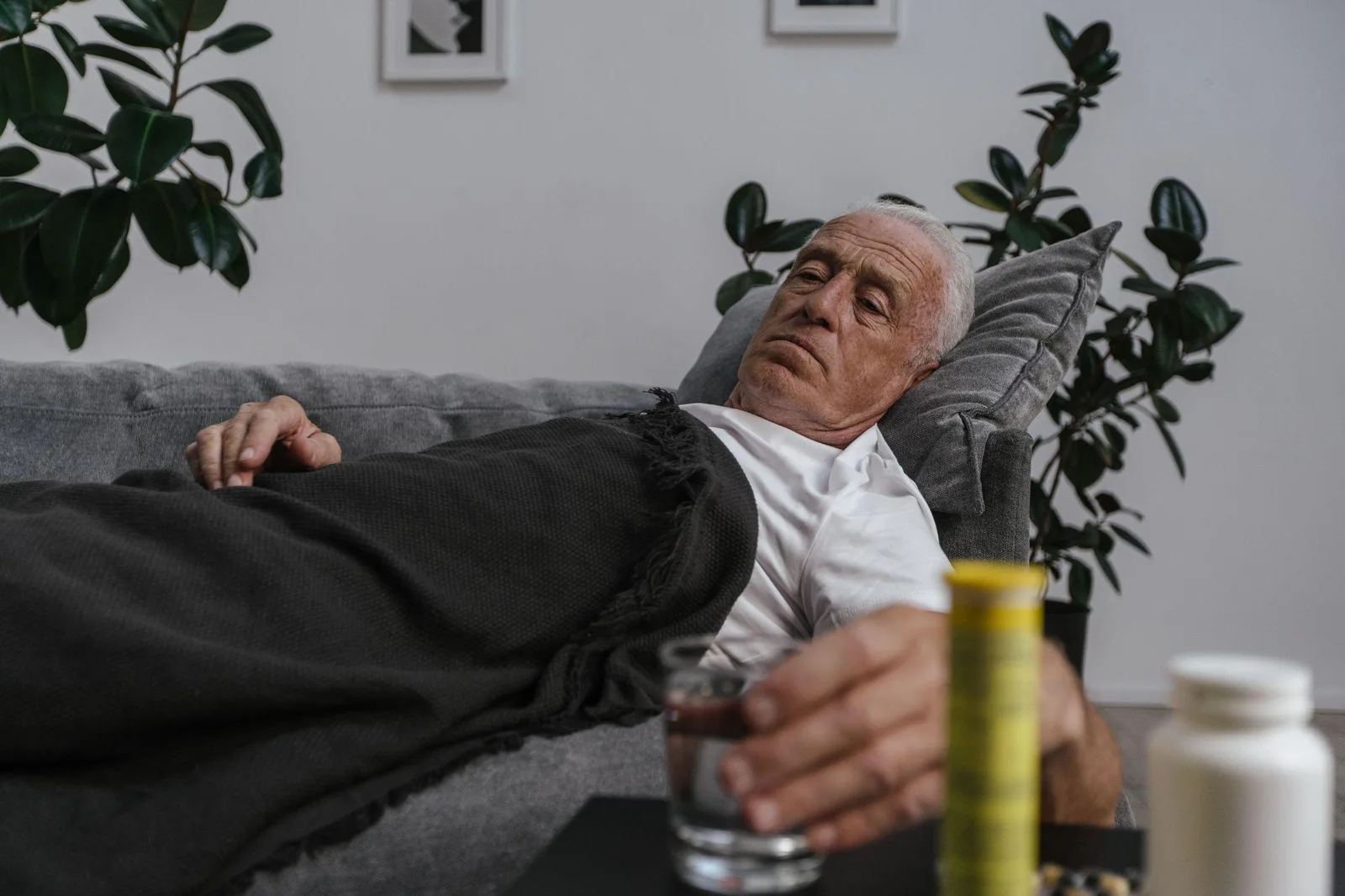
A resident in upper Beachwood Canyon feeling acutely unwell from dehydration, food poisoning, or viral illness faces a 15 to 25 minute drive just to reach a pharmacy or urgent care, depending on traffic on Hollywood Boulevard below. Mobile IV therapy in Hollywood Hills, CA removes that barrier entirely. A nurse arrives at the address, sets up in the home, and completes the infusion while the patient remains in their own space.
Specific Risks and How Reputable Providers Mitigate Them
No medical procedure is without risk. The known risks associated with peripheral IV therapy are well-documented and manageable when proper technique is used:
- Infiltration: Fluid leaks into surrounding tissue if the catheter shifts out of the vein. Nurses monitor the insertion site throughout the infusion and stop immediately if swelling or tightness develops.
- Phlebitis: Vein wall inflammation caused by catheter irritation or chemical irritation from the infused solution. Risk is reduced by using the smallest appropriate catheter gauge and maintaining the correct infusion rate.
- Infection at the insertion site: Prevented through skin antisepsis before catheter placement and use of sterile technique throughout. The CDC notes that peripheral IV catheters have a significantly lower infection risk than central venous catheters.
- Allergic reaction to infused components: Addressed during pre-treatment screening by reviewing allergies and medication history. Nurses carry epinephrine for anaphylactic emergencies.
- Air embolism: Prevented by priming IV tubing to remove air before connection and monitoring the line during infusion.
Each of these risks is known, trainable, and manageable. They are not reasons to avoid IV therapy; they are reasons to choose a licensed provider who follows clinical protocols.
What Provider Credentials to Look For
Licensure is not optional. In California, administering intravenous fluids requires a licensed healthcare professional. Registered nurses (RNs) in California are licensed by the California Board of Registered Nursing and are authorized to perform IV insertions and administer IV fluids under standing orders or physician-supervised protocols.
Before booking any mobile IV service in Hollywood Hills, confirm the following:
- The nurse holds an active California RN license, verifiable at the California BreEZe online license portal
- The provider conducts a pre-treatment health screening before confirming appointments
- The provider uses single-use, sterile equipment sourced from licensed medical suppliers
- The nurse carries emergency supplies and follows a written adverse event protocol
- The drip formulations are compounded at a licensed pharmacy, not mixed in non-sterile conditions
Lively Drops meets each of these criteria. Every session is administered by a licensed registered nurse, preceded by a medical intake review, and uses medical-grade supplies.
Who Should Not Receive Mobile IV Therapy at Home
Mobile IV therapy in Hollywood Hills, CA is appropriate for generally healthy adults seeking hydration support, vitamin infusions, recovery assistance, or wellness maintenance. It is not appropriate for everyone. Specific contraindications include:
- Congestive heart failure or pulmonary edema: IV fluid administration increases intravascular volume, which can worsen fluid overload in patients with cardiac dysfunction
- Severe kidney impairment: Reduced ability to excrete excess fluid or electrolytes raises the risk of imbalance with IV infusion
- Active high fever above 101.5 degrees Fahrenheit, chest pain, confusion, or shortness of breath: These symptoms may indicate serious conditions requiring emergency evaluation, not wellness IV therapy
- Known allergy to any component of the selected drip formula
- Current infection at the intended insertion site
The Lively Drops intake process screens for these factors before a nurse is dispatched. Clients who may have contraindications are advised to consult their physician before proceeding.
What the Home Environment Needs to Provide
The home does not need to replicate a clinic. It needs to provide a clean, stable space where the nurse can work without interference. Practical requirements are minimal:
- A comfortable chair or couch where the patient can sit still for 35 to 45 minutes (1.5 to 2.5 hours for NAD+ sessions)
- A nearby surface of any kind for the nurse to place supplies
- Good lighting to assist vein visibility, either natural or from a lamp
- Minimal foot traffic and no pets near the infusion area during setup and administration
- A clear address with confirmed access instructions for hillside properties, which often have gated driveways or limited parking on canyon roads
Hollywood Hills addresses vary widely in accessibility. When booking with Lively Drops, include any access notes for your specific property. The nurse will confirm logistics before arrival to avoid delays.
The Drip Menu Available in Hollywood Hills
Lively Drops’ full drip menu is available throughout Hollywood Hills. Options include:
- Hydration Drip ($250): 1L normal saline for rapid fluid restoration
- Myers’ Cocktail ($325): B12, B-complex, vitamin C, glutathione, 1L NS
- Immunity Drip ($325): B12, B-complex, vitamin C, zinc, glutathione, 1L NS
- Muscle Recovery ($325): B12, B-complex, vitamin C, magnesium, Lipostat Plus; relevant for residents who hike Runyon Canyon or the Beachwood Stairs regularly
- De-Stress Drip ($350): taurine, magnesium, vitamin C, zinc, B6, B-complex, 1L NS
- NAD+ ($650): 500mg nicotinamide adenine dinucleotide; supports mitochondrial energy production and is administered over a longer session time
- Super Drip ($450): B12, B-complex, magnesium, taurine, vitamin C, biotin, glutathione, 1L NS; the most comprehensive single-session option
All sessions begin with medical screening and are administered by a licensed registered nurse.
Lively Drops serves Hollywood Hills, West Hollywood, Beverly Hills, Silver Lake, and surrounding Los Angeles communities. Call (562) 665-2822 to book your session.